Senegal Country Flag Realistic Independence: A Designer's Asset
You know that feeling when a design project demands a powerful, authentic sense of place? Maybe it’s for a cultural event, a tourism campaign, or a brand that wants to show its roots. You need more than a generic symbol. You need something that feels real, moving, and full of life. That’s where the Senegal Country Flag Realistic Independence asset comes in. It’s not just a static image; it’s a piece of dynamic, patriotic energy you can drop into your work.
More Than a Static Image: Understanding the Asset
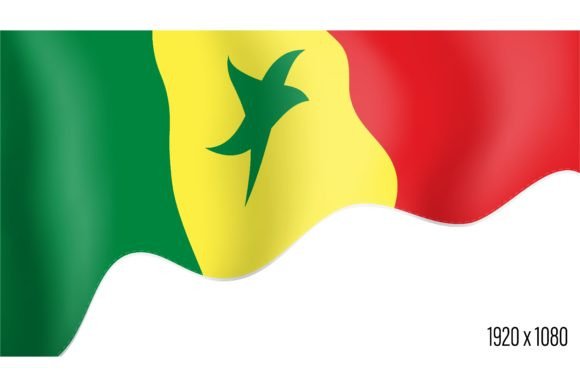
Let’s be clear. When we talk about the Senegal Country Flag Realistic Independence, we’re describing a specific type of design resource. Think of it as a premium font for visual elements. Just as a serif font conveys tradition and a sans serif font feels modern, this flag asset conveys a very specific emotion: proud, joyful, and dynamic independence. It’s a high-definition template showing the Senegalese flag—the green, gold, and red vertical stripes with the central green star—not as a flat graphic, but as a fabric in motion. It’s waving, fluttering in the wind, with realistic folds, shadows, and texture. The “independence day background” part of its name points to its festive, celebratory nature. It’s built for projects that need to capture a moment of national pride.
This asset works on the same principle as a great display font. Its job is to grab attention and set a tone immediately. You wouldn’t use a delicate script font for a bold headline on a construction website. Similarly, you wouldn’t use this realistic, waving flag for a subtle, minimalist background. Its personality is vibrant, patriotic, and full of movement. It has the visual weight of a strong typeface in logo design or editorial design. The appeal is in its authenticity—it looks and feels like a real flag caught in a breeze, which instantly communicates celebration and life.
Strategic Applications: Where This Asset Shines
Knowing what something is and knowing how to use it are two different things. This is where practical design strategy comes in. The Senegal Country Flag Realistic Independence asset isn’t for every project, but in the right context, it’s incredibly powerful. Let’s break down where it delivers the most value.
- Event Branding & Marketing: This is its home turf. For Independence Day celebrations, cultural festivals, parades, or diplomatic events, this asset is perfect for posters, digital invitations, event banners, and social media headers. It provides an instant, recognizable visual anchor.
- Digital Content & Web Design: For websites, blogs, or online magazines covering Senegalese culture, travel, or news, using this flag in a hero section or as a featured image adds immediate context and emotional resonance. It works well in web design as a focal point, much like a bold creative font draws the eye.
- Social Media & Advertising: In the fast-scroll world of social media, motion catches the eye. A static flag is good; a waving one is better. Use it in video intros, animated ads, or as a compelling static image in social media graphics. It boosts engagement by conveying energy and relevance.
- Publishing & Editorial Work: For book covers, magazine spreads, or report covers related to Senegalese history, politics, or travel, this realistic flag can serve as a powerful central image. It adds a layer of professionalism and seriousness that a clip-art version cannot match.
- Packaging & Product Design: For products celebrating Senegalese heritage—food items, crafts, fashion lines—this asset can be incorporated into packaging design to instantly communicate origin and authenticity. It’s a visual shortcut to trust and recognition.
The Practical Guide: Choosing and Using It Right
Finding the asset is one thing. Using it effectively is another. Here’s how to approach it like a seasoned professional. First, evaluate the project fit. Ask yourself: Does this project call for overt patriotism or cultural celebration? If the answer is yes, proceed. If the tone is more neutral or corporate, this might be too strong. It’s about matching the asset’s personality to the project’s voice.
Next, consider the font pairing principle, but for visuals. This flag is a strong visual element. Pair it with simpler, cleaner backgrounds and typography. If you’re using it in a poster, pair it with a clean sans serif font for body text. Avoid busy patterns or competing graphics. Let the flag be the star. This creates a clear visual hierarchy, where the eye is drawn to the flag first, then to the supporting text.
Always test how it looks in your specific medium. A waving flag that looks stunning on a high-resolution monitor might lose detail when printed small on a brochure. Check the readability of any text placed over or near it. The folds and shadows can create busy areas. Sometimes, a slight overlay or drop shadow on your text can help it stand out. This is similar to testing a handwritten font—it might be beautiful, but you need to ensure it’s legible at the intended size.
Finally, respect the licensing. Most quality assets like this are commercial fonts or design assets with clear licenses. If you’re using it for a client’s business, a product for sale, or a wide-reaching ad campaign, you almost certainly need a commercial license. Read the terms. This protects you legally and ensures you’re using a legitimate design asset, which is a cornerstone of professional brand identity work. A strong brand is built on consistent, high-quality, and properly licensed elements.
In the end, the Senegal Country Flag Realistic Independence asset is a specialized tool. It’s a piece of modern typography in the broadest sense—the art of arranging visual elements for communication. Used thoughtfully, it doesn’t just decorate a design; it imbues it with meaning, movement, and a powerful sense of place. It helps you tell a story of celebration and pride, which is exactly what many projects need to connect with their audience on a deeper level.